

Benefits of Kanban in Manufacturing: A Complete Guide
Explore the proven benefits of kanban in manufacturing — from waste reduction and lower lead times to real-time inventory control. Includes examples, card types, and implementation tips.
In the relentless pursuit of manufacturing efficiency, few methodologies have proven as enduring and adaptable as the kanban system. But what exactly is kanban, and why do manufacturers across industries — from automotive to medical devices — continue to rely on it?
Originally developed in the 1950s for Toyota by Taiichi Ohno, the term "kanban" originates from Japanese, meaning "visual card" or "signboard." However, kanban is more than a visual board with colorful sticky notes. It is a manufacturing method rooted in continuous improvement and efficiency.
Kanban is a visual management system for tracking production, managing inventory, and ordering the work on the floor. By implementing kanban in manufacturing environments, companies gain unprecedented visibility into their processes, allowing them to identify bottlenecks, eliminate waste, and respond more nimbly to market demands.
In this guide, we'll walk through how kanban works on the shop floor, the specific advantages of the kanban system for manufacturers, the different types of kanban cards, and practical steps to get started.
How Kanban Works in Manufacturing: The Power of Pull
At its core, kanban operates as a "pull" system rather than a traditional "push" system. This fundamental distinction is where many of the benefits of kanban for manufacturing originate.
Push vs. Pull
In traditional "push" manufacturing:
- Production is driven by forecasts and predictions
- Work moves forward based on a predetermined schedule
- Inventory accumulates regardless of actual demand
In kanban's "pull" approach:
- Production is triggered by actual customer demand
- Work moves forward only when there's a downstream need
- Inventory levels remain optimized to real requirements
This difference matters because push systems routinely generate excess inventory, tie up cash, and create waste. A pull-based inventory system ensures you only produce what the next stage actually needs — nothing more, nothing less.
The Five Pillars of Kanban
Kanban's effectiveness in manufacturing environments stems from five key principles working in harmony:
- Visual Management: Kanban utilizes cards, boards, or digital displays to represent work items and their status. This visual representation provides a shared understanding of the workflow, making it easy to identify bottlenecks and track progress — essentially creating a real-time dashboard for your manufacturing operations.
- Pull System: Production is driven by actual customer demand, with work "pulled" through the system rather than "pushed" based on predictions. This represents a fundamental shift from traditional manufacturing approaches.
- Limited Work in Progress (WIP): Kanban sets explicit limits on the amount of work that can be in progress at any given time. By focusing on completing tasks before starting new ones, manufacturers improve flow and reduce lead times.
- Continuous Flow: The ultimate goal is to establish a smooth, uninterrupted flow of work through the entire production process. This requires careful attention to detail and the elimination of obstacles that might impede the flow.
- Continuous Improvement (Kaizen): Kanban fosters an environment of ongoing optimization, encouraging teams to constantly refine and improve their processes. This iterative approach ensures that the system evolves to meet changing demands.
Kanban in Action: A Practical Example
Imagine a customer places an order for a specific product. This triggers a "pull" signal that travels upstream through your production process. Each stage is then authorized to produce or procure only what is needed to fulfill that order.
When a workstation completes its task, it sends a kanban card to the preceding station, signaling that more parts are needed. This station then begins producing the required parts while simultaneously sending its own kanban card further upstream.
This cascading effect creates a synchronized flow that prevents the accumulation of excess inventory and ensures that resources are focused on meeting actual demand — one of the most significant benefits of kanban for manufacturing operations.
The Key Benefits of Kanban in Manufacturing
Implementing kanban delivers measurable advantages across multiple dimensions of manufacturing operations. Here's a breakdown of the most impactful kanban system benefits for manufacturers.
Operational Benefits
- Improved Inventory Management: Real-time visual cues prevent overstocking and stockouts, ensuring materials are available precisely when needed. Manufacturers using kanban routinely report significant reductions in inventory levels without compromising production output.
- Reduced Lead Times: By limiting work-in-progress, kanban shortens queues and speeds up production cycles. Teams focus on finishing current work before starting new tasks, which shortens the overall time from order to delivery.
- Enhanced Resource Allocation: Visual workflow management helps manufacturers distribute labor, equipment, and materials more effectively across production processes.
Quality Benefits
- Improved Product Quality: Smaller batch sizes and continuous flow allow for more frequent quality checks throughout production. Defects are caught earlier and corrected faster.
- Reduced Defects: Limiting work-in-progress means issues are identified and addressed before affecting large quantities.
- Standardized Processes: Visual work instructions promote consistency in manufacturing operations, reducing variation and human error on the shop floor.
Strategic Benefits
- Increased Agility: Kanban enables manufacturers to adjust production volumes based on real-time demand signals — a critical advantage during periods of volatile demand and supply chain disruption.
- Better Collaboration: Transparent visualization of the production process encourages cross-functional teamwork. Everyone — from shop floor operators to procurement — can see the state of work at a glance.
- Data-Driven Improvement: Kanban systems generate valuable metrics (cycle time, lead time, throughput) that drive continuous optimization.
Financial Benefits
- Reduced Carrying Costs: Lower inventory levels mean less capital tied up in stock and reduced warehousing expenses.
- Decreased Obsolescence: Just-in-time production minimizes the risk of inventory becoming obsolete — especially important for manufacturers dealing with variable consumption goods.
- Improved Cash Flow: Optimized inventory and faster production cycles accelerate cash conversion, freeing up working capital for growth.
Key Applications of Kanban in Manufacturing
Kanban applies to several parts of manufacturing at once, giving transparency and control across the whole production line.
Inventory Management
Kanban signals precisely when to produce or order inventory, preventing both overstocking and understocking situations. This leads to:
- Reduced storage costs
- Minimized waste from obsolete inventory
- Improved cash flow through optimized stock levels
For manufacturers managing consumables, MRO supplies, and other items that don't fit neatly into a bill of materials, kanban is particularly effective. These variable consumption goods — like abrasives, adhesives, welding gas, and shipping materials — are notoriously difficult to forecast, making a demand-driven pull system the ideal approach.
Kanban Material Management
One of the most practical applications of kanban manufacturing is material management on the shop floor. Rather than relying on forecasts or periodic inventory counts, kanban cards create an automatic, visual trigger for replenishment.
When a bin of fasteners runs low, the kanban card attached to that bin gets scanned or moved to a reorder queue. The purchasing team (or an automated system) places the order immediately. There's no guesswork, no spreadsheet tracking, and no risk of someone forgetting to reorder.
This is why manufacturers who switch from spreadsheet-based inventory management to a kanban-driven approach often see dramatic improvements in material availability and a reduction in the chaos of managing supplies with whiteboards and spreadsheets.
Order Management
Kanban provides a visual overview of the procurement process, enabling:
- Better tracking of orders from request to delivery
- Reduced delays in fulfillment
- Improved customer satisfaction through reliable delivery
Workflow and Task Management
By implementing kanban for manufacturing workflow management, companies experience:
- Increased visibility into team workloads
- Smoother workflows across departments
- Faster cycle times from order to delivery
- Enhanced efficiency through limited work-in-progress
Supply Chain Management
Extending kanban beyond factory walls creates:
- Enhanced supply chain visibility with suppliers
- Limited excess inventory throughout the network
- Reduced inefficiencies in supplier relationships
Kanban and Lean Manufacturing: Perfect Partners
Kanban and lean manufacturing are often used in conjunction, as they share common goals of waste reduction and productivity maximization. In fact, 83% of teams employing the Lean methodology use kanban to visualize and actively manage their work.
While both methodologies share common goals of waste reduction and efficiency maximization, they approach these objectives from different angles:
- Focus: Kanban is flow-focused, while lean is value-focused
- Flexibility: Kanban offers more adaptability than lean's more structured approach
- Application: Kanban excels in complex, variable situations, while lean thrives in more stable environments
How Kanban Supports Lean Principles
Kanban directly enhances several key lean manufacturing principles:
- Improving Lead Time Management: Kanban helps in managing lead times by providing real-time visibility into the status of work in progress.
- Decisions Made at the Bin: Kanban lets shop floor workers decide when work moves — no need to wait for a manager to approve a reorder.
- Encouraging Standardization and Consistency: Kanban creates clear, structured guidelines for how work should flow, promoting standardization across shifts and departments.
- Visualizing Bottlenecks and Constraints: One of the main kanban advantages in lean manufacturing is the ability to make bottlenecks immediately visible, so teams can address them before they cascade into bigger problems.
- Enhancing Supplier Relationships: Kanban helps improve collaboration with suppliers by making inventory needs transparent and synchronized with production requirements.
- Optimizing Floor Space Utilization: Kanban's focus on reducing inventory and eliminating excess stock helps optimize the use of floor space in manufacturing environments.
- Supporting Continuous Improvement (Kaizen): The kanban system creates a feedback loop where process inefficiencies surface naturally, making it a core tool for continuous improvement in manufacturing.
Kanban Best Practices for Lean Manufacturing
To get the most out of kanban in a lean environment, follow these proven practices:
- Start small: Begin with one production line or one category of parts before rolling kanban out across the entire operation. This builds confidence and lets you refine the system before scaling.
- Set WIP limits and enforce them: WIP limits are only effective if the team respects them. When a workstation hits its limit, the team should focus on clearing the bottleneck rather than starting new work.
- Review and adjust regularly: Kanban parameters (bin sizes, reorder points, WIP limits) should be reviewed monthly or quarterly. What worked last quarter may not work this quarter if demand has shifted.
- Make it visual and physical: Digital dashboards are valuable, but physical kanban cards and boards on the shop floor ensure that everyone — including operators who don't sit at a computer — stays connected to the system.
- Measure what matters: Track cycle time, lead time, and throughput. These metrics reveal whether your kanban system is actually improving flow or just creating a different kind of bottleneck.
If you're evaluating ways to bring these practices to your own shop floor, Arda Cards offers a hybrid kanban system that combines physical card simplicity with a digital backend — designed specifically for manufacturers who want lean discipline without ERP complexity.
Make the first replenishment loop visible.
Generate free Kanban cards for the parts that most often stop production.
Make Free Kanban CardsRelated reading
Material Replenishment with Kanban: A Manufacturing Guide
Learn how kanban replenishment eliminates stockouts and cuts inventory costs. Step-by-step implementation guide with formulas, comparison tables, and FAQs.
Mar 20, 2026Read article
JIT vs Kanban: Which Is Better for Preventing Stockouts?
Struggling with stockouts? Compare just in time inventory vs. Kanban and discover why Kanban's visual pull system offers superior resilience.
Oct 31, 2025Read article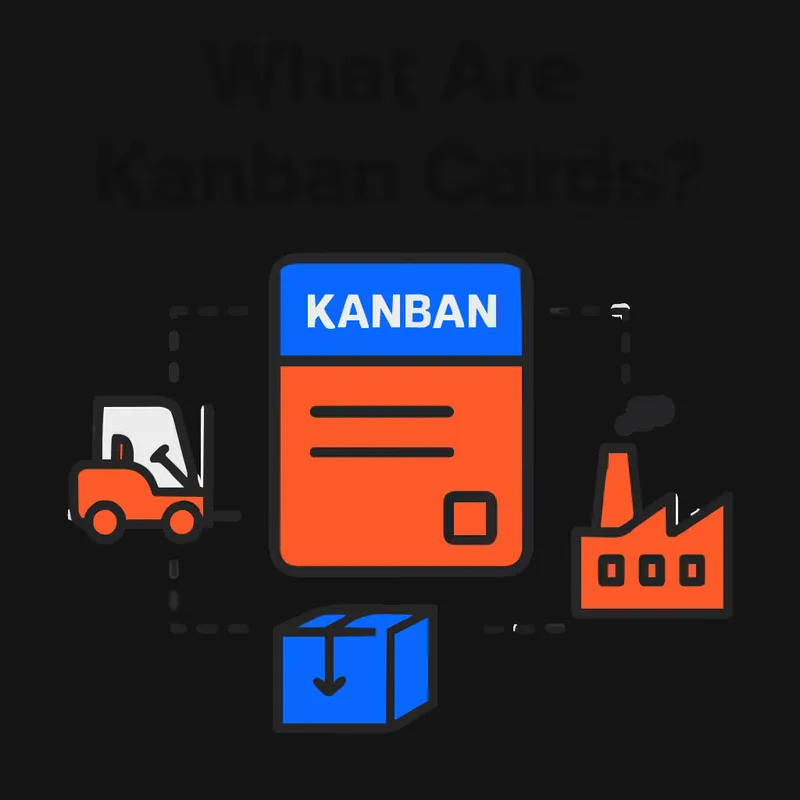
What Are Kanban Cards? A Complete Guide for Manufacturing
What are kanban cards? Learn the 4 types used in manufacturing, how they control inventory and production flow, plus procedures for stock pickers and material handlers.
Mar 20, 2026Read article